
Key Takeaways
- Emergency call systems give residents a direct way to request assistance.
- Fire protection features and emergency procedures help communities prepare for urgent situations.
- Grab bars, slip-resistant flooring, and adequate lighting can reduce common fall hazards.
- Accessible layouts support residents who use walkers, wheelchairs, or other mobility aids.
- Controlled access and available personal care support contribute to safety throughout the community.
- Families can use community visits to inspect safety features and ask how procedures work in practice.
What Makes an Assisted Living Apartment Safe
Safety is one of the practical considerations families weigh when choosing a personal care apartment for a loved one. The right features can reduce everyday hazards, make the apartment easier to move through, and provide access to assistance when it’s needed. These features should support residents without making their surroundings feel overly clinical.
A safe assisted living apartment should offer:
- Emergency call systems
- Fire and carbon monoxide protection
- Grab bars and safer bathroom design
- Non-slip flooring and adequate lighting
- Accessible doorways and entryways
- Controlled community access
- Access to personal care support
7 Safety Features to Look for in an Assisted Living Apartment
Apartment safety depends on both physical design and access to support. These 7 features are useful places to start when comparing communities.
1. Emergency Call Systems
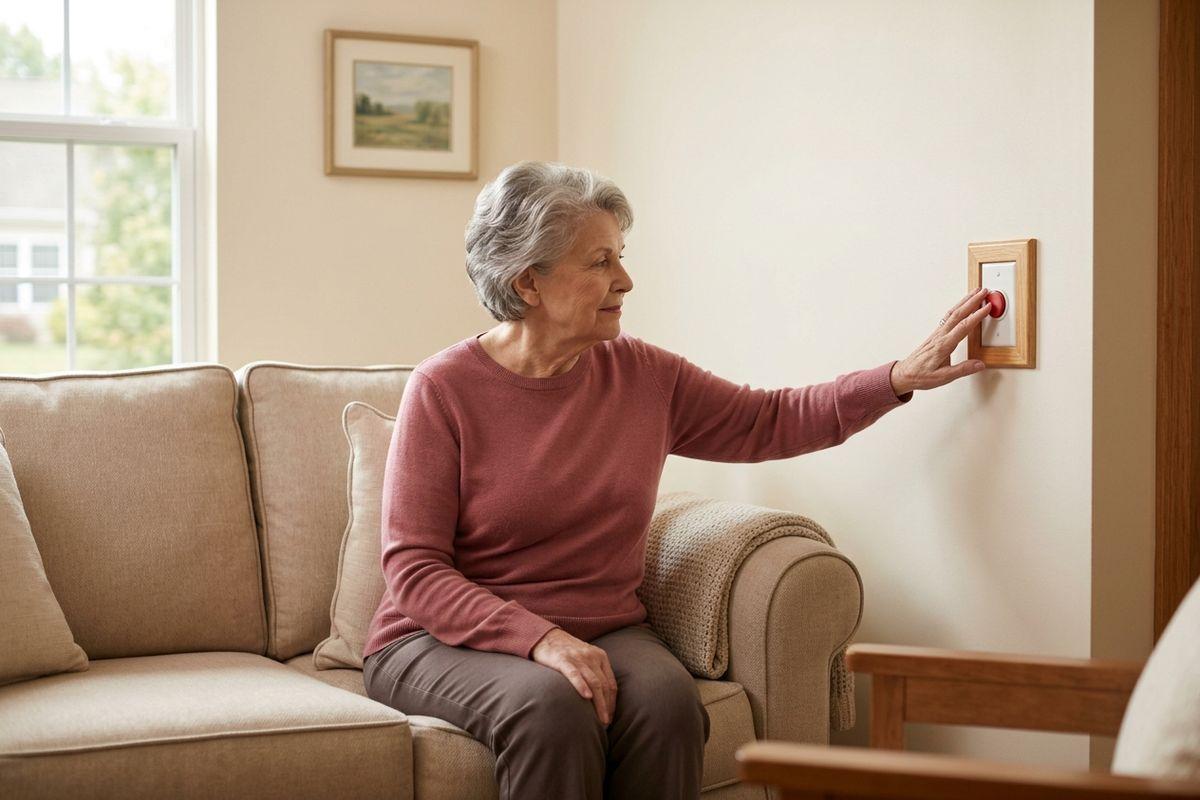
Emergency call systems give residents a direct way to request assistance. Look for devices that are easy to reach from areas such as bedrooms and bathrooms. Ask who receives an alert and how the community responds.
2. Fire and Carbon Monoxide Protection
Smoke and carbon monoxide detectors, fire alarms, and other fire protection systems provide safeguards during an emergency. Clearly marked exits can also make evacuation routes easier to identify. Ask what equipment is present and how the community handles evacuations.
3. Grab Bars and Safer Bathroom Design
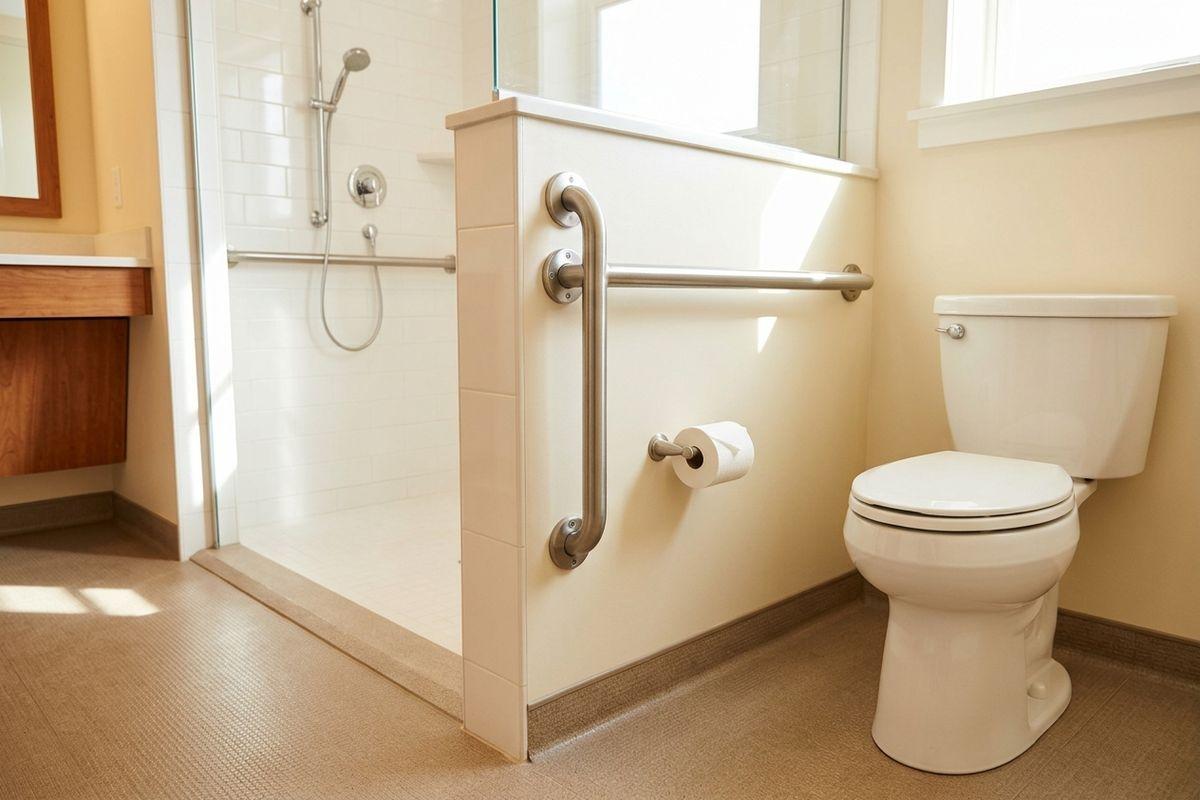
Bathrooms can present fall hazards because of wet surfaces and frequent transitions between sitting and standing. Fortunately, senior-friendly bathroom safety features like secure grab bars near toilets and bathing areas provide additional stability. Accessible showers and adequate space can also make everyday routines safer.
4. Non-Slip Flooring and Adequate Lighting
Slip-resistant flooring can provide better traction in bathrooms and other areas where floors may become wet. Clear pathways reduce unnecessary tripping hazards. Adequate lighting also makes furniture, flooring, and changes in elevation easier to see.
5. Accessible Doorways and Entryways
Wide doorways and open pathways provide room for walkers, wheelchairs, and other mobility aids. Reduced thresholds or zero-step entrances can eliminate common tripping points. Apartments should also provide enough space for residents to move comfortably between rooms.
6. Controlled Community Access
Controlled entrances help communities manage who enters the building while still welcoming family members and visitors. Ask how visitors enter and whether access procedures change outside normal visiting hours. These details can provide a clearer picture of everyday security.
7. Access to Personal Care Support
Some residents need help with medications, mobility, or other activities of daily living. Families should ask what personal care support is available and how residents request assistance. It is also worth discussing what options are available if a loved one’s needs change.
How to Evaluate Safety During a Community Visit
A visit lets families see how safety features work within the actual living environment. Focus on the apartment and its layout, emergency procedures, and the support that will actually make a difference in your loved one’s everyday life.
Check the Apartment for Common Hazards
Look at flooring, lighting, bathrooms, entryways, and the paths between rooms. Check whether fixtures are easy to reach and walking areas are clear. If your loved one uses a mobility aid, consider whether there is enough room to maneuver.
Ask How Emergency Calls Are Handled
Ask what happens after a resident activates an emergency call system. Find out who receives the alert and how assistance is provided. You can also ask the team to demonstrate the system during your visit, which can give you valuable insight into how the community actually operates.
Review Fire and Emergency Procedures
Ask how the community handles fires, severe weather, power outages, and other emergencies. Find out how procedures account for residents who need mobility or personal care assistance. Look for clearly marked exits as you move through the community.
Discuss Your Loved One’s Specific Needs
Safety needs vary based on mobility, health, and the amount of daily assistance a person requires. Discuss your loved one’s current needs and ask how available services can support them. You can also ask what happens if those needs change after move-in.
Safety and Personal Care at Woodbridge Place
A safe senior living environment combines thoughtful design, clear procedures, and appropriate everyday support. Looking at emergency systems, accessibility, fall prevention, security, and available assistance can help families compare communities based on their loved one’s needs.
Woodbridge Place offers personal care in Phoenixville for older adults who need additional support with daily routines. A community visit provides an opportunity to see the surroundings, discuss your loved one’s needs, and ask specific questions about safety. Schedule a visit with us today to learn more about personal care in Phoenixville.