

Key Takeaways
- Home care allows older adults to remain at home while receiving scheduled help with daily tasks.
- Personal care combines housing with hands-on daily support in a senior living community.
- Home care may fit predictable support needs, while personal care keeps assistance nearby throughout the day.
- Personal care reduces household responsibilities and provides built-in opportunities for meals, activities, and social connection.
- Families should consider safety and how comfortably an older adult manages between scheduled home care visits.
Home Care and Personal Care Explained
Choosing how to get daily support for yourself or someone you love is rarely simple. You want help with the tasks that have grown harder, but you also want to respect the life and routines already in place. Two common paths are available: home care and personal care, and they work in different ways.
The main difference between home care vs. personal care is where and how that support happens. Home care brings scheduled assistance into the person’s current home, while personal care combines housing, daily support, meals, and community life in one setting. Each offers benefits, but there isn’t a “better” option.
What Is Home Care?
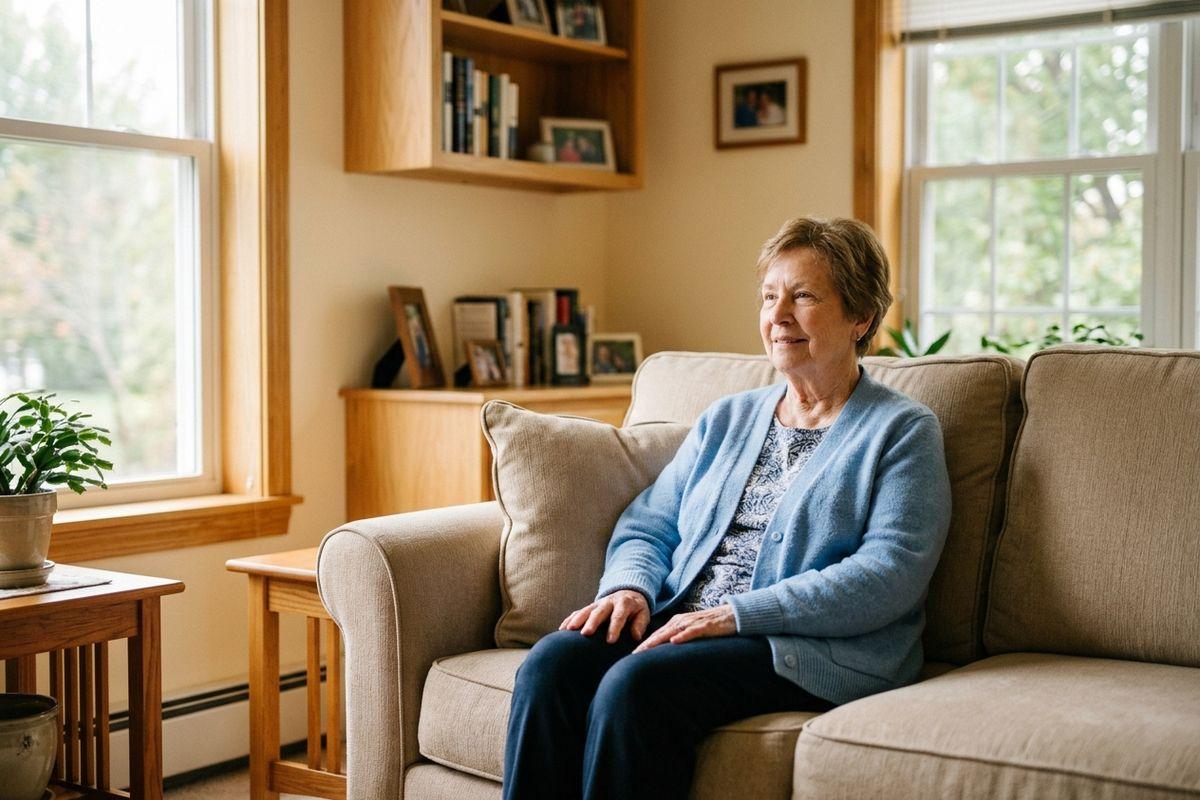
Home care allows an older adult to remain in their current home while receiving help with parts of the day that have become difficult to manage alone. A caregiver may visit for a few hours at a time or follow a regular schedule based on the person’s needs.
That help can include bathing, dressing, grooming, meal preparation, errands, light housekeeping, companionship, or medication reminders. For someone who feels comfortable at home and needs support at predictable times, this arrangement can preserve much of an established routine.
What Is Personal Care?
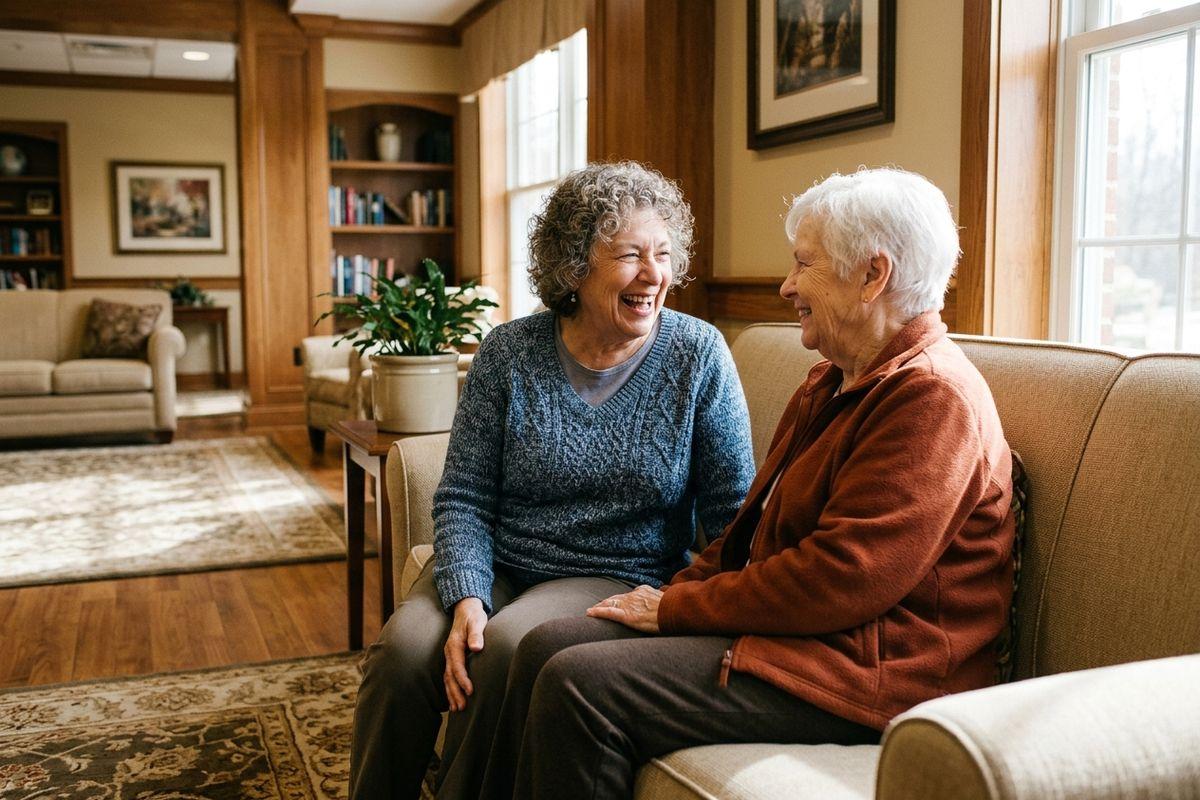
Personal care provides hands-on daily support inside a community. Instead of a helper coming and going, assistance stays close throughout the day and night. For older adults, this means a maintenance-free lifestyle where housekeeping and upkeep are handled for each resident to free up time for things that bring them joy. The community also offers access to neighbors, shared meals, and a daily rhythm built around connection, along with a wide range of health services.
Home Care vs. Personal Care: Key Differences
The clearest difference is setting. Home care keeps you in your own house, while personal care means moving into a community with neighbors and staff on hand. Support levels differ too. Home care runs on scheduled visits, so help arrives at set times, while personal care keeps assistance available around the clock, which can matter as needs change.
Living Environment
Home care allows someone to remain in the house, apartment, or other setting they already know. That familiarity can matter, particularly when someone has strong ties to their home and neighborhood. Personal care involves moving into a senior living community where housing and support are part of the same setting. The choice may depend partly on how well the current home continues to suit everyday needs.
Availability of Support
Home care usually follows a set schedule, whether a caregiver visits for several hours each day or only on certain days of the week. That can work well when needs are predictable and someone is comfortable managing between visits. Personal care keeps support within the community, so residents don’t have to structure every need around a caregiver arriving at the house.
Household Responsibilities
Receiving home care doesn’t necessarily remove the work that comes with keeping up a household. Groceries, meals, yardwork, repairs, cleaning, and other responsibilities may still fall to the older adult, relatives, or additional service providers. In personal care, many of those everyday responsibilities are handled as part of community life.
Social Opportunities
Living at home can offer privacy and familiarity, but staying socially connected may require more planning. Visits with friends and family, transportation, meals out, and activities often depend on someone making arrangements. Personal care puts neighbors, shared meals, activities, and common spaces nearby throughout the day.
How to Decide Which Type of Support Fits
A useful comparison starts with an honest assessment of your loved one’s situation. Think through where support is already needed, where family members are filling gaps, and what parts of the current routine have become harder to maintain.
Consider How Much Daily Help Is Needed
Start with a typical day. Does your family member need help with one or two predictable tasks, or do needs come up at different times? Scheduled home care may work well when support is limited and consistent, while personal care may make more sense when assistance has become a2 regular part of the day.
Look at Safety Between Scheduled Visits
A few hours of home care can address a lot during the caregiver’s visit, but the rest of the day still matters. Consider how comfortably your family member manages mobility, meals, medications, and other routines when no one else is there. If those stretches are becoming difficult, it’s likely time for a change.
Compare the Full Cost of Each Option
Compare more than the hourly price of home care with the monthly price of personal care. Housing expenses, groceries, utilities, maintenance, transportation, housekeeping, and the amount of paid caregiving needed can all change the picture.
Next Steps Toward the Right Choice
Take a moment to review your family’s current situation together. Talking openly about what’s working and what’s grown harder often makes the next step clearer. There’s no rush to have every answer at once, and if you need help, our team at Woodbridge Place is here to help.
Seeing personal care firsthand can make the comparison less abstract. At Woodbridge Place, families can get a closer look at the living spaces, daily support, and community life available near Phoenixville and ask questions based on their own circumstances. Schedule a tour of Woodbridge Place today to learn more about personal care near Phoenixville.